By: Christine Koporc MSc and Jennifer Kartley DVM
 Rabies is a deadly viral disease spread through the saliva of infected animals. It is found in different countries around the world including the United States. It only infects mammal populations, humans included! People and their pets are at risk to contract rabies from both wild or domestic animals if they are exposed via a bite wound. In rare cases, exposure to infective saliva in an open wound or onto a mucous membrane can also be infectious. Once contracted, rabies is almost always fatal. The good news is that it is preventable when following established rabies vaccine protocols.
What is Rabies?
Rabies is an aggressive virus that works its way through the body using and debilitating the central nervous system. It is spread primarily through saliva containing infectious virions. It is also present in brain tissue. The virus has a variable incubation period of 1-3 months but can be as little as 10 days or as long as 2 years (Rupprecht). This means that when a patient is exposed, there is a delay before symptoms appear. Once nervous system changes are noted, the prognosis of the affected individual is grave, nearly 100% fatal.
How Do Pets Get Rabies?
Exposure to rabies occurs mainly through contact with infected wildlife. Most common months for exposure include the spring and summer time but it can happen any time of the year. Rabies can be contracted by getting bitten by an infected animal or having an open wound or mucous membrane exposed to infected saliva (Ohio Department of Health). Household pets may also spread rabies virus in the same way if not properly vaccinated.
What Animals Commonly Spread Rabies in the United States?
In the United States, rabies in dogs is very well controlled through vaccination programs. The most common animal that now spreads rabies are blood feeding bats (WHO). According to the Ohio Department of Health, rabies positive bats have been found in nearly all Ohio counties. Other mammals that can transmit rabies include raccoons, skunks, and foxes.
Why Do Indoor Cats Need Rabies Vaccines?
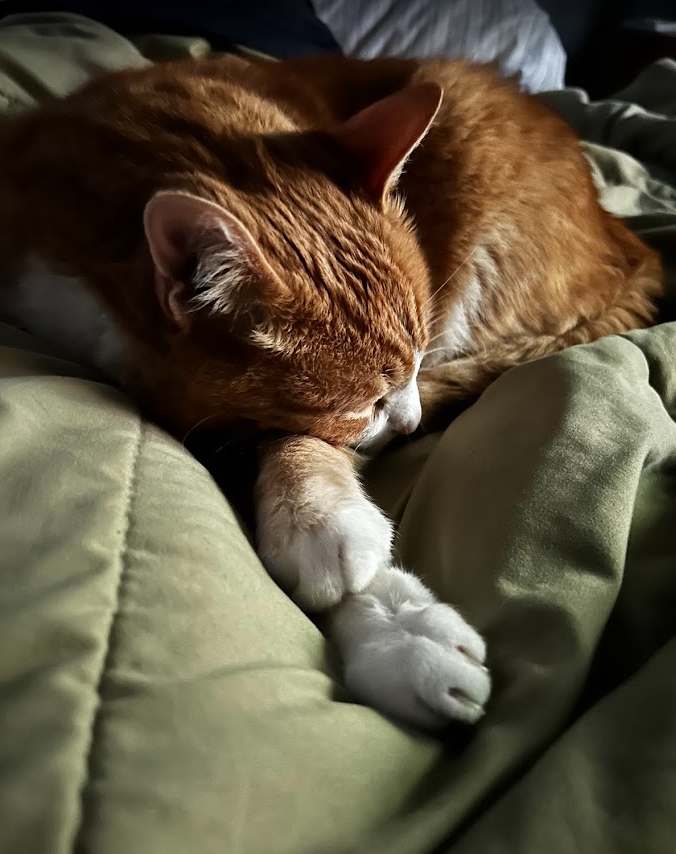 One of the common things we hear from cat owners is that their feline friend doesn’t go outside. This brings us to a common misconception that indoor only cats don’t need a rabies vaccine. Rabid animals do not exhibit normal behaviors. In fact, rabies doesn’t give infected symptomatic animals conscious intent! The virus alters their brain to cause extreme aggression and loss of fear (CDC). This happens to promote the spread of the virus from host to host so it can survive and thrive. So, an infected animal will do things it normally wouldn’t, like go through a screen door into your home or approach you outside instead of running away. This also means that an infected animal may try to pick a fight with an unsuspecting cat, dog, or even human. With rabies being a fatal disease for pets and people, rabies vaccination is required under Portage County Law for all dogs and cats. This holds true throughout all 88 counties in Ohio.
Signs of Rabies in Dogs & Cats
Symptoms of rabies infection align with the impact the virus has on the patients central nervous systems. These may include sudden behavior changes like fearfulness, aggression, self-mutilation, uncoordination, staggering, spasms, tremors, excessive drooling, seizures, and paralysis. According to the AVMA, aggressive behavior is commonly seen in rabies. However, rabid animals may also be uncharacteristically affectionate or active at different times of the day. Because of these symptoms, rabies must always be considered in any pet showcasing unexplained neurological symptoms, especially when not current on rabies vaccination protocols. Remember, rabies is almost always fatal. Immediate intervention after an exposure is key. Once neurologic symptoms appear, nothing can be done.
Why Vaccination Saves Lives
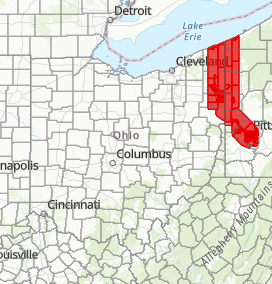 Rabies vaccination protects animals and creates a barrier to keep people safe. It is required by law in Portage County for both dogs and cats. According to the Ohio Department of Health, a new strain of rabies in wild raccoons was introduced to Northeast Ohio from Pennsylvania in 1996. To help protect Ohioans and their pets, the Ohio Department of Health partnered with the USDA to implement an oral rabies vaccine program. The goal was to strategically disperse these oral vaccines disguised as yummy treats to wild animals to create a barrier wall of protection from infected migrating animals from Pennsylvania. This baiting effort diminished the expansion of raccoon rabies into the rest of Ohio. It continues to be done yearly to maintain this buffer. Baiting is done in the spring time from April to May and distributed by ground, helicopter, and aircraft. The USDA website keeps an updated map of bait distribution by aircraft across the United States. Please do not interfere with this process. If baits are found, leave them in place so they can serve their purpose in vaccinating wildlife against rabies. The baits contain killed rabies virus so it will not cause disease in your pet except for potential gastrointestinal signs. The Ohio Department of Health states that most baits will be gone within four days after distribution.
Protecting Pets & People
Rabies is one of the few diseases that is almost always fatal but also almost completely preventable. Keeping your dog's or cat's rabies vaccine status current is one of the simplest and most important ways to protect your pet, your family, and your community. If you or your pet had a potential rabies exposure please call your veterinarian or local health department for further guidance. All bites are required to be reported to your local health department. The veterinary profession is educated on exposure protocols and steps to ensure your pet gets prompt attention and support. Concerns regarding human exposure can be addressed by the health department. If you have a bat that comes into your home, please reference the Ohio Department of Health resources regarding this topic. They even have a video! If you are not sure on the rabies vaccination status of your pet, give us a call. We are happy to review your pets vaccine records to make sure your pet and family are protected. Have questions on what vaccines we use in our clinics? Check out our Dog and Cat vaccinations pages here!