The rules set forth by the Ohio Department of Natural Resources limit our staff from treating injured and orphaned wildlife. We are commonly asked about these animals so we created this page to supply you with reputable information and resources. All information provided is sourced from the Ohio Department of Natural Resources.
Quick Resources:
- Wildlife Rehabilitation- James H. Barrow Biological Field Station Hiram, Ohio
- Orphaned & Injured Wildlife- Ohio Department of Natural Resources
- Contact a Licensed Wildlife Rehabilitator in Ohio
- Contact a County Wildlife Officer
Do They Actually Need Help?
How do you tell if a baby animal is abandoned and in need of your help? Wildlife parents are dedicated to their young but are often raised by one parent, their mother. She cannot be with her baby the entire time! She needs to go out and hunt for food. What does that mean? The babies are often left alone for extended periods of time. Just because you happen upon a fawn or baby bunnies in a nest, that does not necessarily mean they are abandoned. The best thing you can do is keep yourself, children, and pets away from young animals. This is not only to protect them, but your loved ones as they can transmit diseases and parasites to people and pets. The following sections provide specific information depending on the species you may encounter.
Found Baby Song Bird
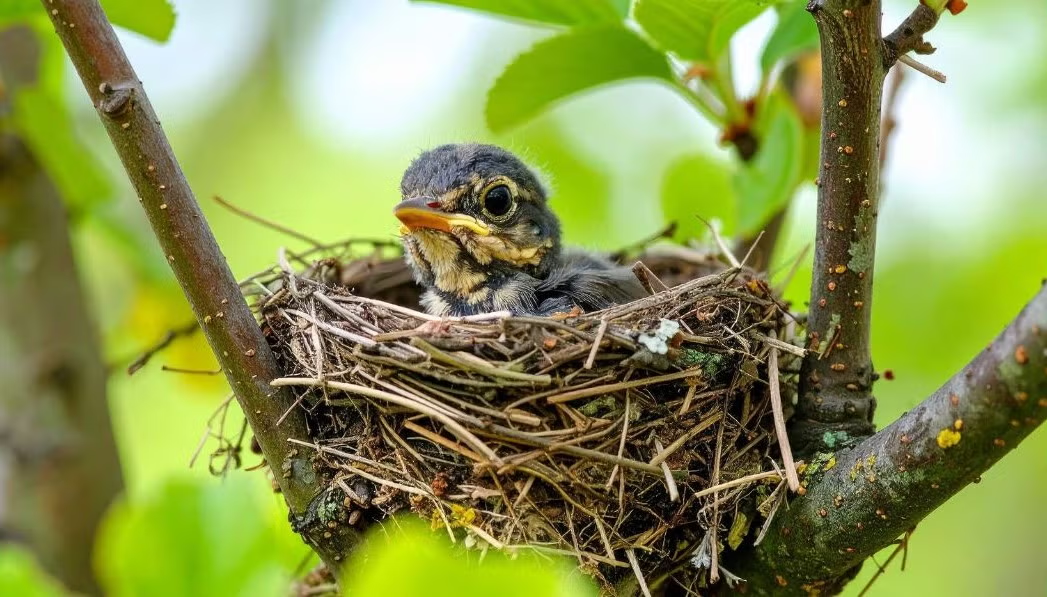
It can be common, especially in the springtime, to come across a baby bird.
- Leave it alone if: it has feathers. This likely means it left the nest on purpose. Otherwise called a fledgling, a baby bird with feathers out of the nest is learning to fly. They are not good at it yet but they will learn. According to the Ohio DNR, their parents will still bring them food at this point.
- Carefully help out if: the bird is not covered in feathers. In this case it may have been pushed or blown out of its nest. If you can find the nest, using gloves carefully put the baby bird back. Birds do not have a great sense of smell so do not worry about your scent keeping the mother bird away.
- Contact a licensed wildlife rehabilitator near you if you feel the bird is injured. Make sure to follow their instructions until they are able to get to the bird.
- Learn more about finding baby birds and your specific situation on the Ohio Department of Natural Resources page.
To be clear, we are not referencing birds of prey such as hawks and bald eagles. Although these birds may appear injured or dead, the risk of harm to humans is too great. Immediately contact a licensed raptor rehabilitator for further assistance. We cannot emphasize enough, the potential risk to humans these animals have.
Found Baby Bunny (kit)
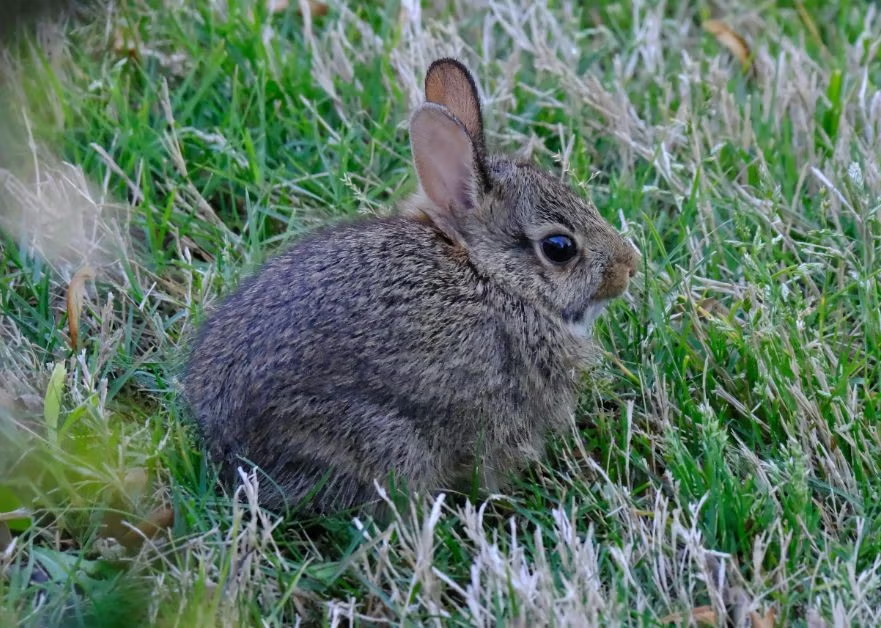
The most common wildlife species in the state of Ohio is the Eastern cottontail rabbit. Rabbits can have litters from March to September. They tend to nest in shallow areas in yards, flower beds, gardens, etc. They are usually born without fur and are only dependent on their mothers for the first three weeks of life.
- Leave it alone if: you find a baby bunny nest or baby bunny that seems healthy. If the nest seems disturbed, the Ohio DNR website has instructions so you can try rebuilding the nest and covering the kits back up. Your attention to a bunny nest may actually attract predators. Do not put them at risk.
- Contact a licensed wildlife rehabilitator near you if a kit is far from its nest and appears to be sick or injured, has parasites, or still has its eyes closed. If you know or suspect the mother rabbit to be dead, contact a licensed wildlife rehabilitator near you.
- Learn more about finding baby bunnies and your specific situation on the Ohio Department of Natural Resources page.
Found Baby Squirrel
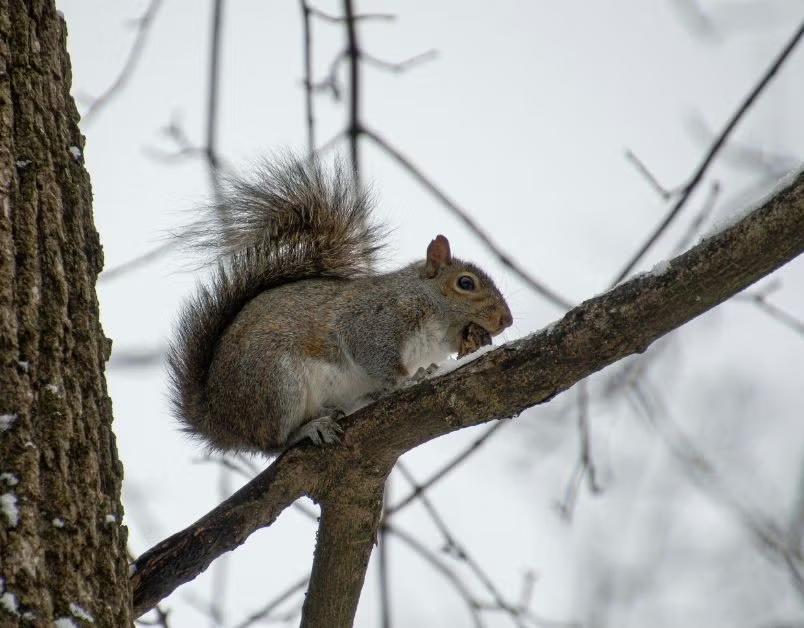
Numerous squirrel species inhabit Ohio. Litters are typically born February-March and then again July-August. Usually consisting of 2-3 young, baby squirrels depend on their mothers until 14-15 weeks of age. They mature slower and their eyes don't typically open until after 36 days. The mothers are very attentive to them and will commonly retrieve them if they fall out of their nests.
- Leave it alone if: The baby seems healthy. The mother squirrel is most likely waiting for you to go away so she can retrieve her baby! Make sure to keep your children and pets away from the squirrel too. If the mother squirrel does not get the baby immediately, you may need to supplement a heat source. Please visit the Ohio Department of Natural Resources page for detailed instructions regarding appropriate interventions.
- Contact a licensed wildlife rehabilitator near you if the mother squirrel has not retrieved a fallen baby after one full day. They will give you detailed instructions on the next steps and care required until they are able to retrieve the baby.
- Learn more about finding baby squirrels and your specific situation on the Ohio Department of Natural Resources page.
Found Baby White-Tailed Deer (Fawn)
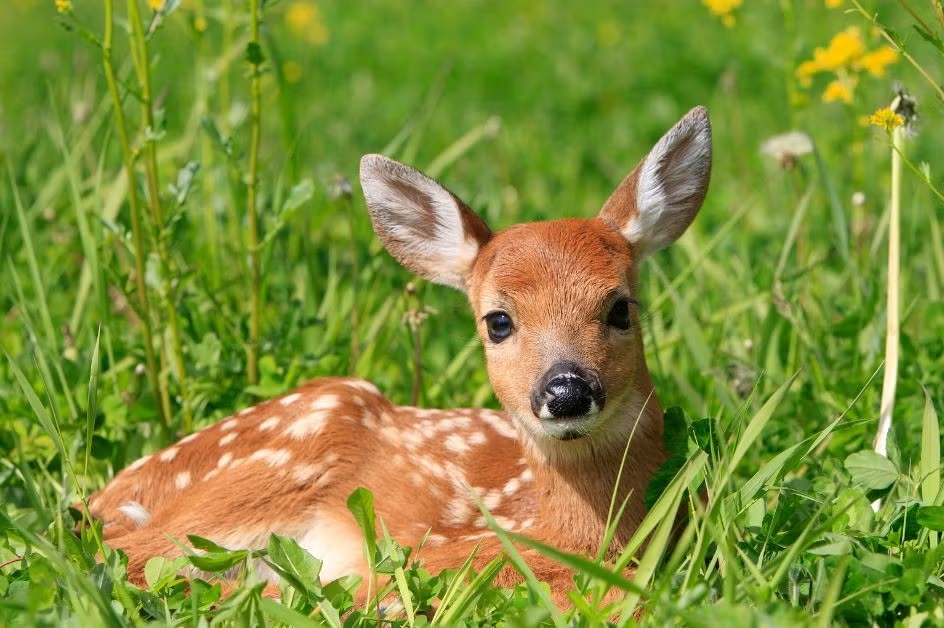
White-tailed deer are one of Ohio's best known wildlife species. They typically have their babies (fawns) between May and July. They are born nearly scentless so predators cannot find them. Female deer will commonly place fawns in urban areas around homes, flower beds, or backyards because they feel it is safe. Intentionally placing them near humans helps to deter predators. Mother deer will purposely spend little time with their fawn to prevent attracting predators through their scent. Leaving the baby in various hiding places helps with this too. Fawns are dependent on their mothers until they are about 2 months old.
- Leave it alone if: it seems healthy. Leave the area and don't repeatedly check on the fawn. The mother will not return if you are present.
- Carefully help out if: the fawn is in a dangerous location. You should limit touching the animal but know it is a myth that a doe will reject a fawn with human scent on it. According to the Ohio Department of Natural Resources, keep a fawn from following you by facing it in the opposite direction you are leaving so it cannot watch you. Tap the fawn once or twice firmly between the shoulder blades to mimic the signal a mother would give to her baby to "stay put".
- Contact a licensed wildlife rehabilitator near you if you find a female deer struck by a car and a baby is laying near it, if the fawn appears to be sick or injured, has parasites, or if it is bleating without ceasing for several hours and the mother has not returned in over a day. Also, make sure your pets cannot harm or interact with the fawn.
- Learn more about finding fawns and your specific situation on the Ohio Department of Natural Resources page.
Found Baby Raccoon (kit)
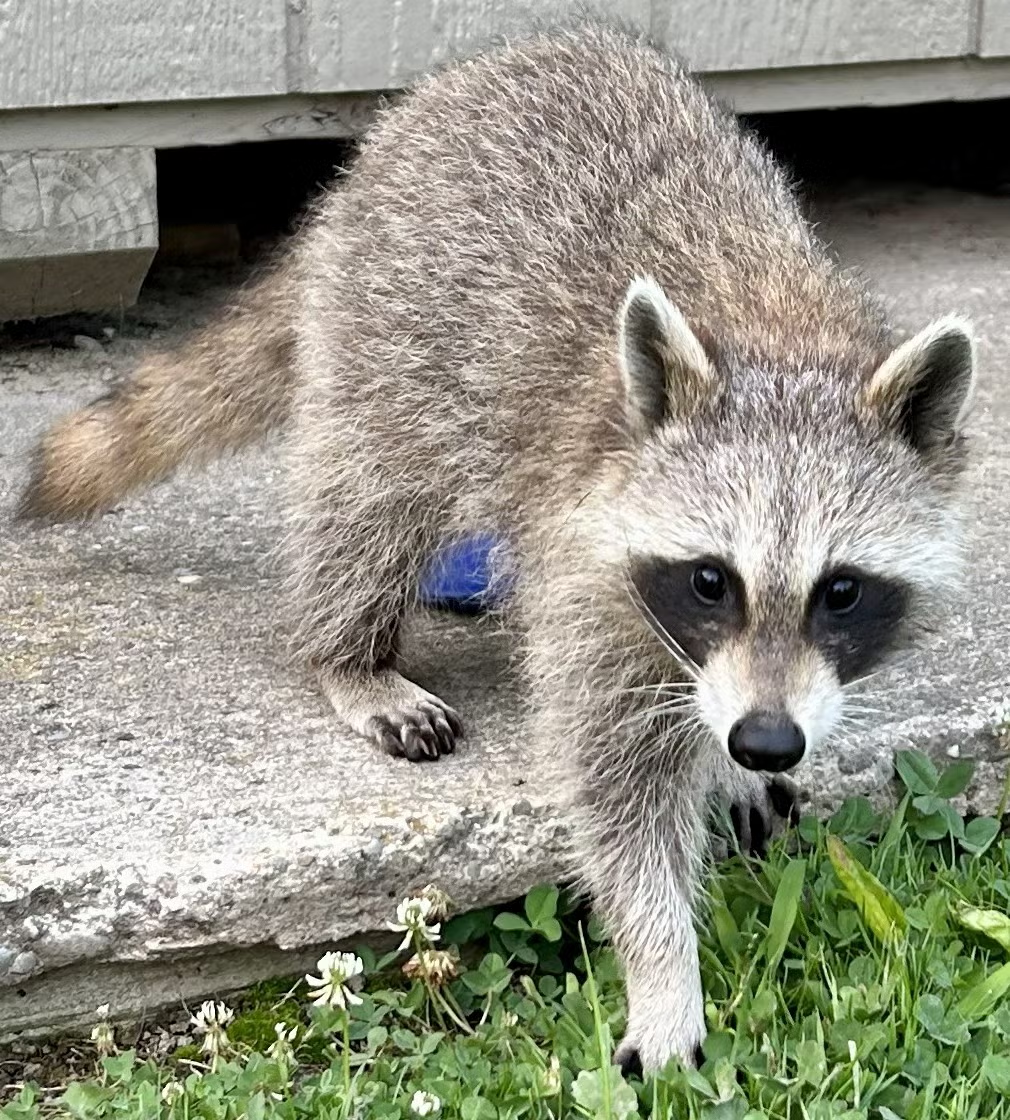
Raccoons are found in all parts of Ohio. Typically born between April and May, newborn raccoons have fur and open their eyes after about 19 days. They stay with their mothers through the fall and are usually nocturnal. It is not uncommon to find baby raccoons without their mothers as they are foraging for food every opportunity they have.
- Leave it alone if: the baby seems healthy with its eyes either open or closed. As long as the baby is not in immediate danger, it should make its way back to its den or the mother should retrieve it. If you touch the kits (which you should avoid!) the mother will return for them. Raccoon moms are very dedicated to their babies.
- Contact a licensed wildlife rehabilitator if you know the mother is dead or has not returned to the den for more than a day, if the baby appears to be sick or injured, or if you know a predator has attacked the nest and a kit was left behind.
- Learn more about finding baby raccoons and your specific situation on the Ohio Department of Natural Resources page.
Found Baby or Adult Turtle
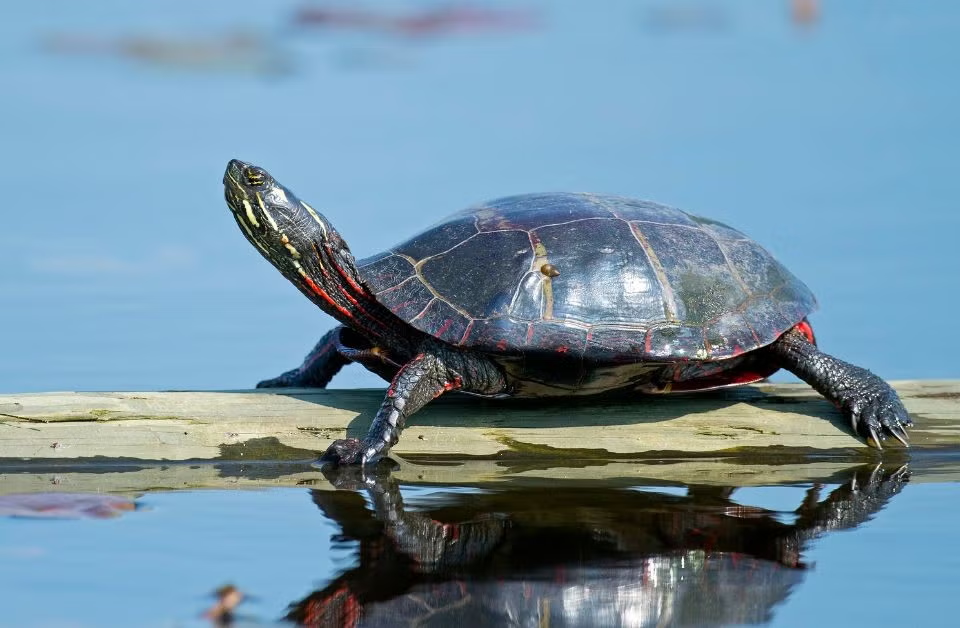
Ohio turtles typically lay their eggs between May and June. The eggs are laid on land and are buried. They are left to hatch on their own and are completely independent once born.
- Leave it alone if: The turtle seems healthy and uninjured. If you see a turtle with an old injury, it most likely is fine and doesn't require rescuing.
- Contact a licensed wildlife rehabilitator right away if you find a newly injured turtle. Never place it in water as it may drown if not strong enough keep its head above water.
- Learn more about finding turtles and your specific situation on the Ohio Department of Natural Resources page.
Caution For Humans & Pets
Interacting with wildlife species can present a risk of spreading zoonotic diseases to people and their pets. Risk of exposure to diseases such as rabies, leptospirosis, or salmonella is just the beginning of what can occur. Wild animals should be respected and given their space. If they feel threatened, they may bite. Although you have good intentions they fear for their safety and will defend themselves and their young. Wildlife require specific care from licensed rehabilitators. Want to contact a licensed wildlife rescue near you? Click here
Get Involved!
Are you interested in becoming a licensed wildlife rehabilitator in the state of Ohio? Learn more on the Ohio Wildlife Rehabilitators Association website to get started!