
By: Christine Koporc MSc and Jennifer Kartley DVM
"My Pet Never Goes Outside"...Until They Do
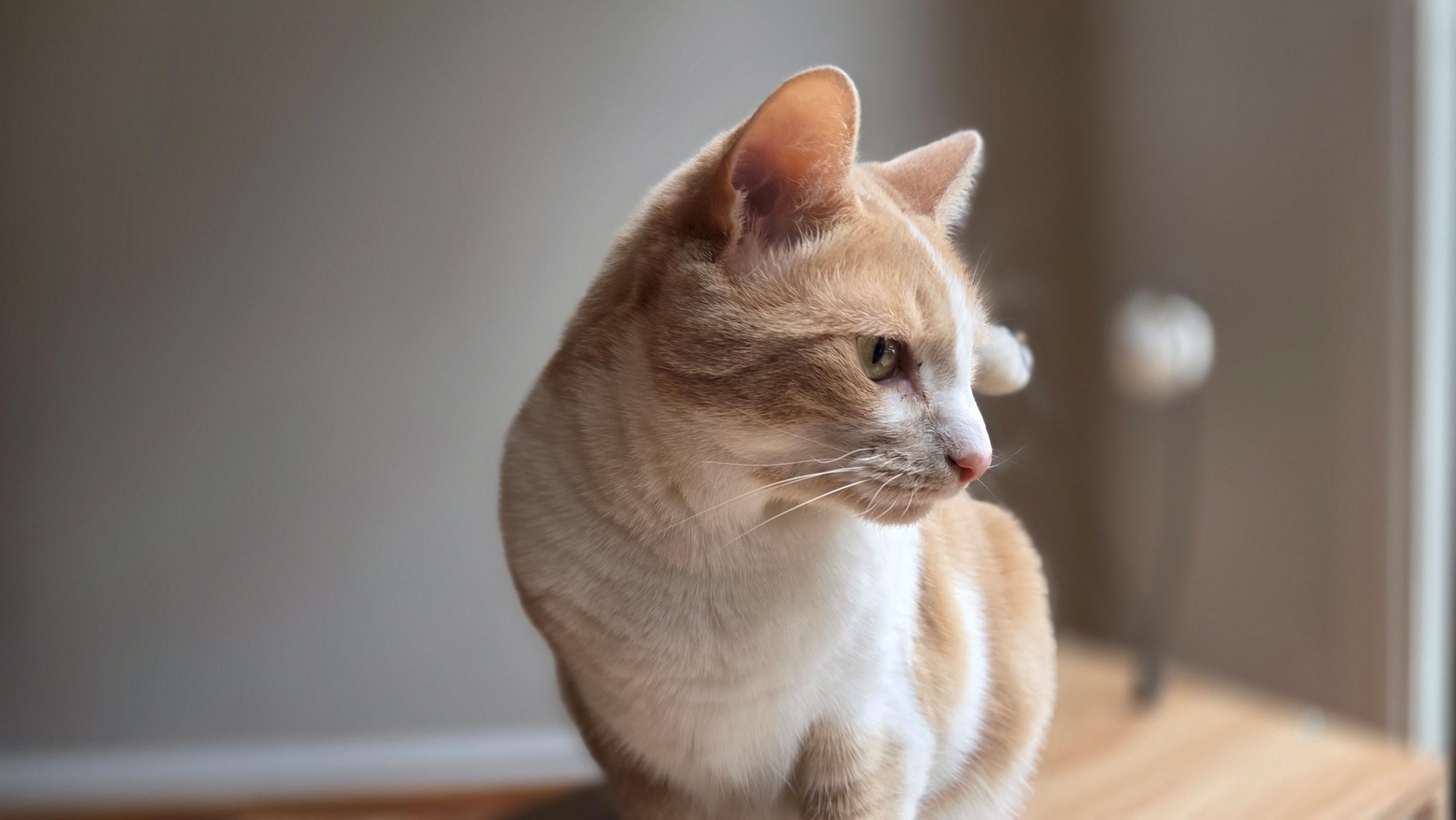 Our cats and dogs are members of our families with their unique personalities and companionship. Even though we have domesticated them (or attempted to in the case of felines) curiosity regarding the great outdoors still lingers. Yes some animals are certainly home-bodies and seem to have no interest in the outdoors, but unique opportunities to be an escape artist may arise. From the door being left open when unloading groceries to guests stopping by to cats knocking out a screen window, your pet may regrettable find themselves outside. Add in reactivity and fear from loud noises like fireworks, getting outside is a real threat. Microchips provide one of the only permanent modes of identification when your pet leaves the safety of your home. Keep reading to discover the peace of mind that comes with microchipping your pet.
Tiny Chip, Big Protection
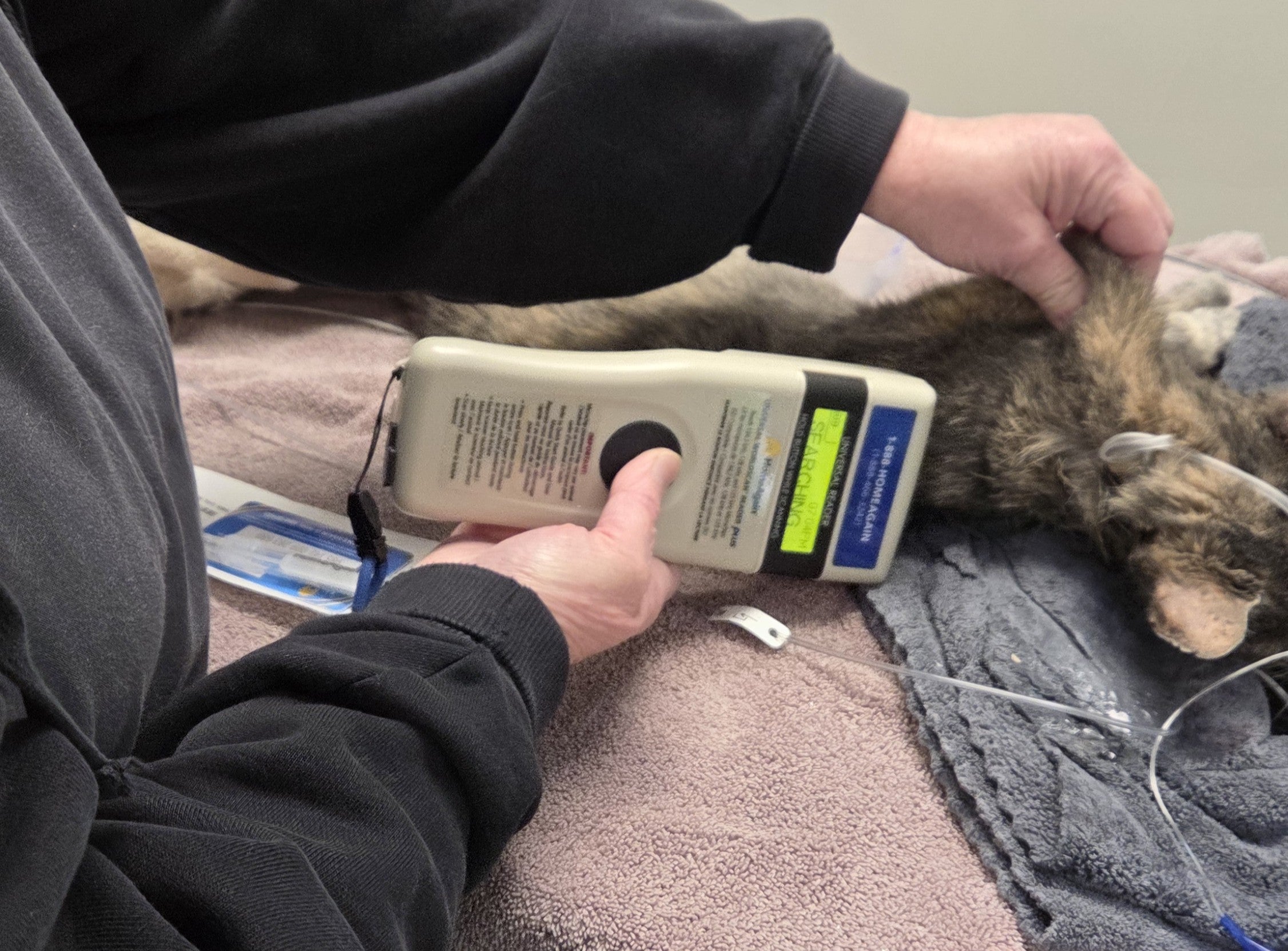
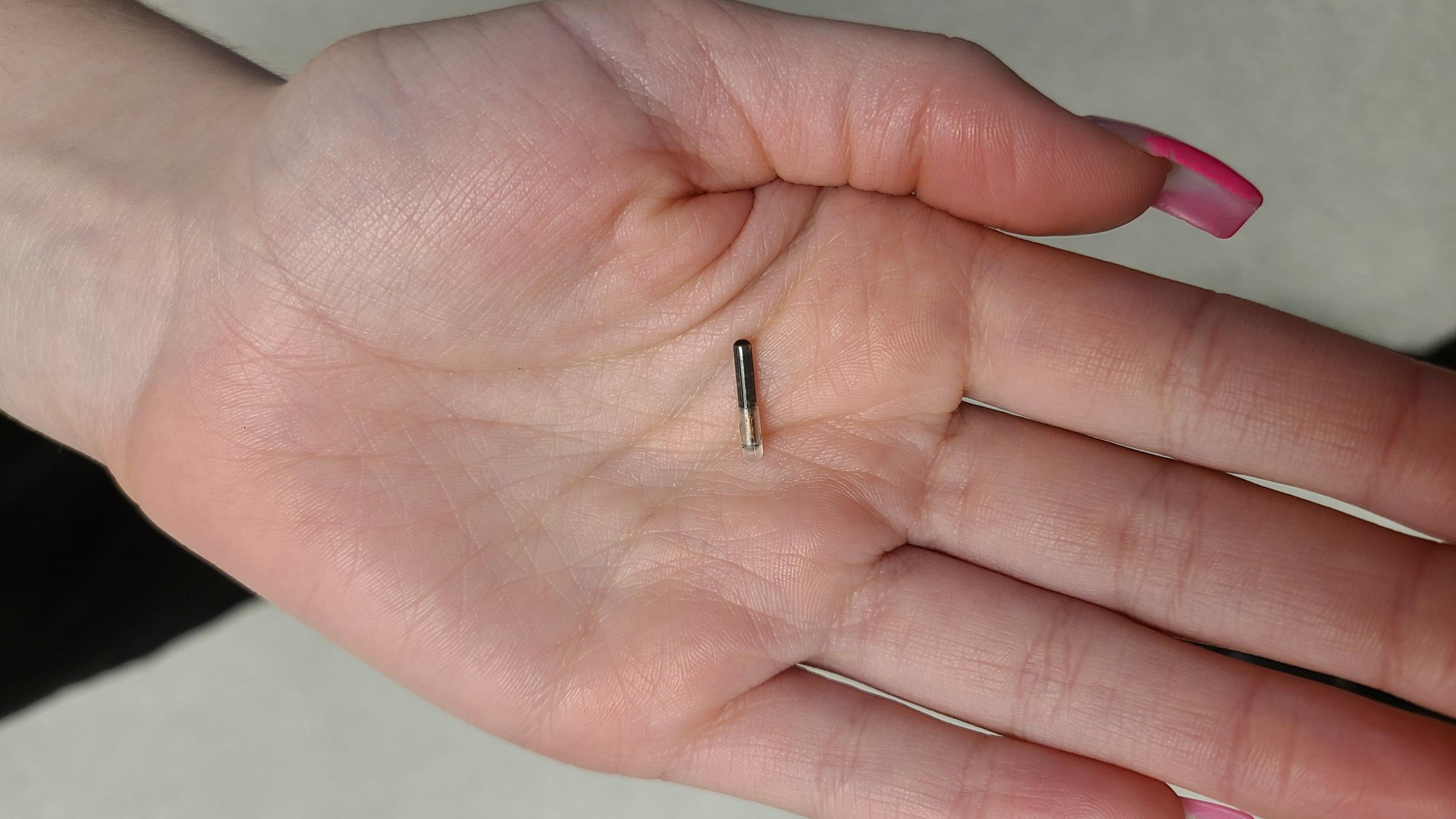 Did you know, microchips used in pets are the size of a grain of rice. They are safe, effective, and will last the lifetime of your pet. They are implanted under the skin, similarly to how a yearly vaccine is administered. Using radio frequency identification (RFID) technology, the chip is only activated when a microchip scanner is near it via radio waves. Current microchips do not provide GPS tracing which means you cannot use these to see the live location of a pet. For information about reputable GPS tracking devices, check out our Pet Preparedness Blog for suggestions. The cool thing about these tiny microchips is that they store information but require no batteries or charging. Only when activated by the intended scanner, will the microchip transmit information to the device to interpret. For most, a unique 15 digit number will appear on the scanner. We only use TempScan® microchips by HomeAgain Pet Recovery because they also display the pet's temperature. These allow us to not only get the pet's chip number but also the internal temperature at the implantation site! This practice falls in line with the Fear Free initiative decreasing pet anxiety of the "threat" of a rectal thermometer. Want to learn more about how HomeAgain thermochips work? Check out this article on MSD Animal Health Hub.
Historically microchips could migrate within the subcutaneous space after implantation in the pet. HomeAgain is a reputable microchip company that over the last 30 years has continued to advance pet microchip technology. In this time, they have developed anti-migration technology. Now chips stay put in your pet so they can be easily found and scanned for quick identification.
Why Collars & Tags Alone Are Not Enough
 Tags break off and collars can slip off. Sometimes pets have a collar but no tag. This reality isn’t helpful when trying to get a pet back home to its family. Microchips are permanent identification that stays with your pet, it won’t fall or slip off. Unforeseen circumstances like natural disasters, car accidents, and house fires are all instances that can separate you from your pet. Additionally, clients have used microchip identification to establish ownership when a pet has been stolen. That microchip number, once registered with your information, will always be associated with you.
Most veterinary clinics and shelters have microchip scanners. The first thing to do when presented with a lost pet is scan for a chip. Fingers are crossed that they first have a microchip. The next question is if the microchip number has up to date information so we can contact the current owner. The AAHA Microchip Registry online tool analyzes the microchip number to determine which specific company has access to the owner’s contact information. Always remember to reach out and update your personal information when life changes arise. Your pet can’t come home if we don’t know where home is. Even if your pet’s chip is not the HomeAgain brand, you can still register any chip number with them. We recommend this highly to increase the chances of your pet returning home to you. Please note: They have an optional membership (yes optional!), which you are not required to subscribe to in order to register your pets chip.
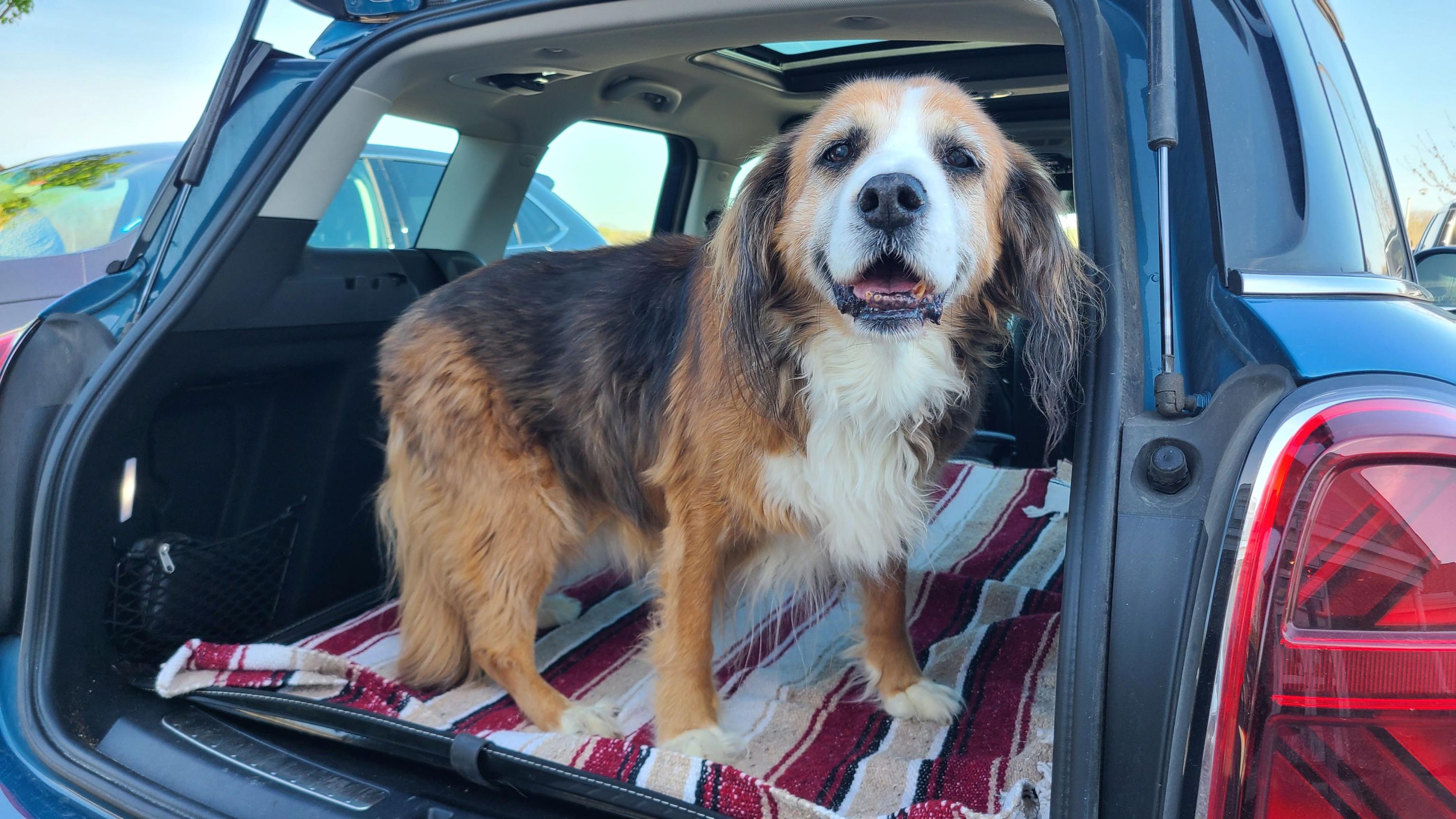
A Lost But Found Story: It is not uncommon for us to collaborate with the local police departments to reunite a pet with its family. But this situation presented an unexpected obstacle. We were presented with a 16 year old dog that suffered from canine cognitive dysfunction. So he essentially wandered off and got lost. He forgot how to get home. When checked, his chip was registered to a shelter in Hawaii. The information in the microchip database was not up to date, but with the power of social media his owners were able to retrieve their pet after over a day of being lost. This process could have been streamlined, taking less than 15 minutes, if we had the correct information to contact them to begin with. Stories also exist about pets being reunited years after going missing. The common denominator for these happy endings is a registered microchip with accurate owner contact information.
Want To Travel with Your Pet?
International travel requires ISO-compatible microchips for identification and documentation. Certain destinations require the chip to be confirmed by a veterinarian BEFORE a pet is vaccinated for rabies in order to complete their official health and travel documents. Incorrect timing can delay or prevent travel altogether. Your pet’s microchip number is part of their official international identity. Thinking about traveling with your pet? It is a lengthy detailed process that needs started many months ahead of the planned travel date. Please see our Pet Travel page to learn more and look up the requirements for your specific destination. Traveling across the United States with your pet? The same concept applies. Your pet will be in unfamiliar surroundings and in new places far from home. Vet offices and shelters across the country have scanners. That tiny chip will be what gets your pet back to you if you are separated during your travels.
Small Chip With An Enormous Purpose
As veterinary professionals, we cannot emphasize enough how important microchipping your pet is. They are inexpensive and once implanted, they are chipped for life. It can be completed at any vet visit or done while they are anesthetized for a procedure. If done awake, topical lidocaine is used to properly numb the skin so your pet doesn’t feel a thing while they are happily distracted by cheese and treats. Within seconds, they will have a permanent identification that can’t fall or slip off. Make sure to register your pet’s microchip immediately after adoption or implantation by your vet. If you aren’t sure if your pet’s chip has up to date information just give your pet’s chip company a call! Remember, if you have no idea what company your pet’s microchip came from, just get their chip number from your veterinarian and register it with HomeAgain. Have your pet’s chip scanned annually at your yearly vet visit to confirm placement as well. If you have any questions or concerns regarding your pet and microchips, please give us a call. We are happy to help!