
By: Christine Koporc MSc and Jennifer Kartley DVM
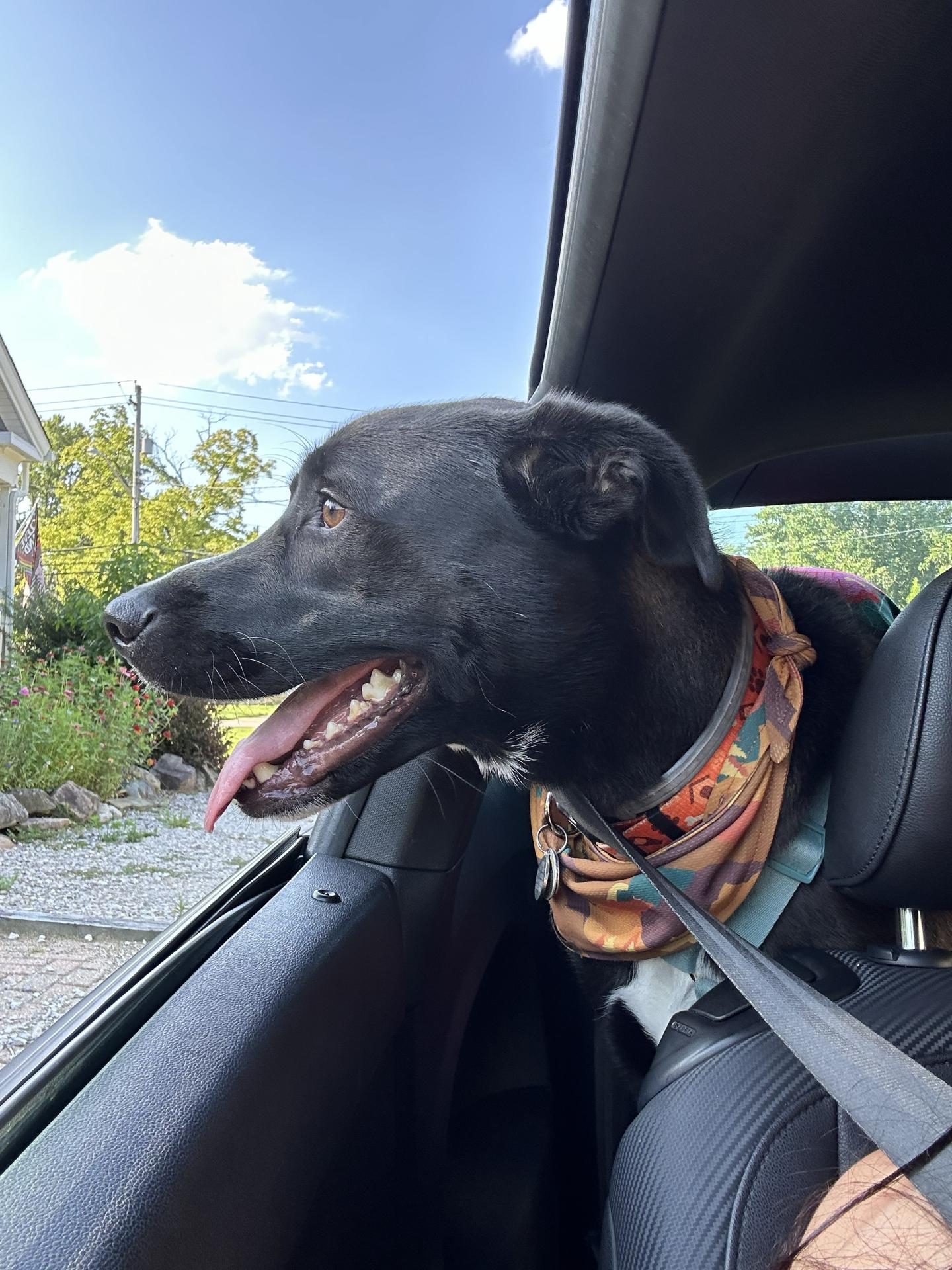 Training and enrichment is key for your dog to be a well-behaved and happy member of your family. It isn’t just about teaching your pet commands, it helps them navigate through the world with confidence and safety. It may seem like a task too big to take on, but trust us, you can easily incorporate training into your everyday life. Opportunities for training are endless, it can be done while you are accomplishing other things. Remember, dedicated sessions shouldn’t be longer than 5-10 minutes. Keep reading to learn how you can easily incorporate this goal in your normal routine instead of waiting for the “perfect” time to train.
Socialization Is About Experiences Not Just Other Dogs
Traditionally, when you think about socializing your dog, you often think of them interacting with other dogs. The scope of k9 socialization extends well beyond that! Your dog needs confidence in interacting with all the things in the world around us. Help to make them comfortable with different people, places, transportation, surfaces, sounds, objects, and experiences. We don’t realize the adventure that awaits our dogs in the environment around them, we just passively move through our day without realizing the importance. For dogs who spend most of their time in a safe, quiet home, the undefined outdoors can be very scary. Easy ways to incorporate socialization can include bringing them to a pet-friendly store or restaurant. This is actually one of our favorite recommendations! Home improvement stores are a perfect example we share with owners. They are places you can go year round, even when snow is on the ground. Wide open spaces allow your dog room to explore and the safety from the fear of something sneaking up on them. This provides opportunities to let your dog see different people, objects, and smells existing in a space outside your home. Think about the enriching experience of getting to the store but remember to give your dog time to become comfortable in this new environment. When you get to the store, they are exposed to the smells, different surfaces to walk on, and the variety of objects to investigate. Not only do you get exposure to new things, but you can easily work on your leash training manners while doing your normal shopping. Lots of people may ask to come and pet your dog, but be aware of how your dog is interpreting that situation. For some, this is the perfect opportunity for manners training and learning how to respectfully greet people. Other pets may be reserved and may need space from other people in the store. Bring some treats (and a poop bag!) in your pocket and your pet will be sure to have a great time experiencing something new to them. Imagine this: you have a training date at a pet friendly store with your dog a couple times a month. Put them into a down stay as they watch the carts rolling by while you are in the self-checkout or picking out a paint swatch! You can even go to the store not to purchase anything; just get your steps in alongside your pup by taking a lap around the store. The possibilities can be endless.
Fit Training Into Your Everyday Life
 There are so many ways to provide training opportunities for your pet in your daily life. On walks with your pup, practice ignoring distractions by having them watch you during key stimulating periods and put them into a sit. There may be baby steps to this training starting in your home with a simple sit when your pet is not distracted by the outside world. Create commands that you want your pet to understand so they practice behaviors not only for obedience, but safety. Crossing a roadway? Create the habit of putting them into a sit, have them watch you, and give them a release command when it is safe to proceed. On a walk with a reactive dog passing by? Have your pet “focus up” on you and learn to ignore the reactive dog to keep passing safely by. Make car rides become fun and exciting for your dog by having them join you in picking up your take-out dinner and learning the drive-through can be a fun way to meet new people and sometimes get a fun treat. Pup-cups anyone?
Understanding Fear & Socialization Periods
Just like people, pets experience the world as individuals which can present challenges depending on the past experiences they have had. Previous triggers can make your dog reactive or scared so please customize your enrichment and socialization plan with that in mind. Be flexible during training; you may uncover certain anxieties you need to help them overcome to move forward with your plan. Puppies experience impactful socialization periods beginning between 3 to 14 weeks according to the AVMA. Having positive experiences during this time is key as they have rapid brain development and are learning social cues, patterns, and taking in the world around them. Dogs not introduced to new people, animals, and environments during these key periods can develop fears towards these things in the future. Also, and we cannot stress this enough, make sure the experiences they have are positive! If your dog is exposed to something that frightens or traumatizes them, a lifelong aversion can be established. It makes sense though, right? Puppies at this age range are in their key learning and pattern period, so if they interact with something that scares them, by default, they think that other things just like that are scary for the rest of their lives. Instead, support their innate curiosity that blossoms at these designated fear periods and provide them lifelong constructive ways to view the environment around them.
 Old Dogs Do Learn New Tricks
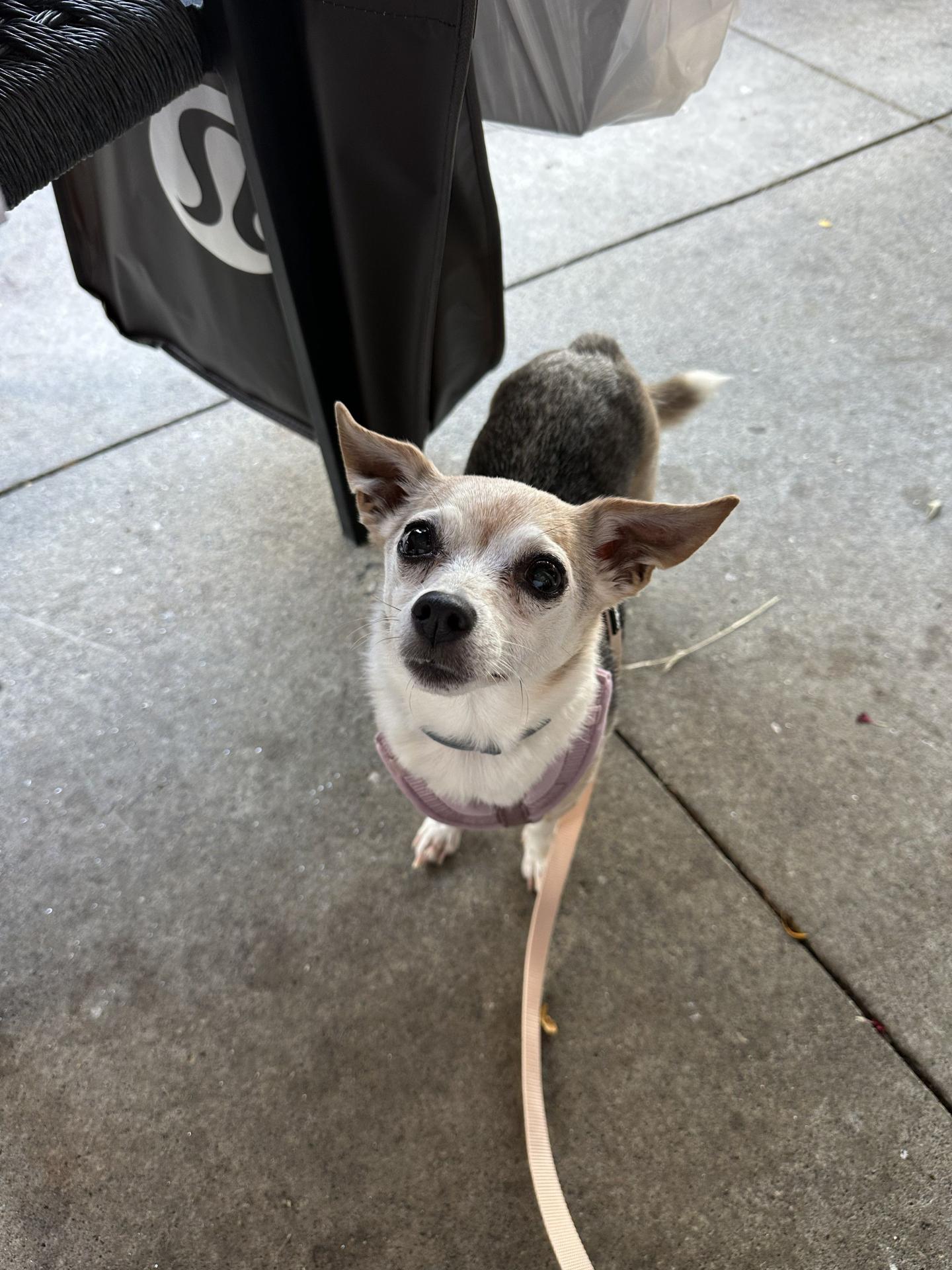
Let's explore why some dogs are unwilling to get into the car. For dogs that don’t commonly travel with their owners, approaching and entering a car is the first sign they might be going to the vet for shots. They think “Car rides only take me to the vet ...this is bad!” We challenge you to reframe a car ride for your dog and make it a positive experience. Have an adult pet that you adopted with pre-existing fears or triggers? It can definitely be worked around. Respecting your dog’s limitations is key in these situations. One of our recommendations, when working with an adult pet with severe behavior issues, is utilizing a veterinary behaviorist. These professionals are different from a certified dog trainer in that they are licensed veterinarians with advanced training and board certifications specifically in animal behavior and mental health. They combine medical and behavioral care, and can even prescribe specific medications if deemed appropriate.
Train for the life you want to live with your dog
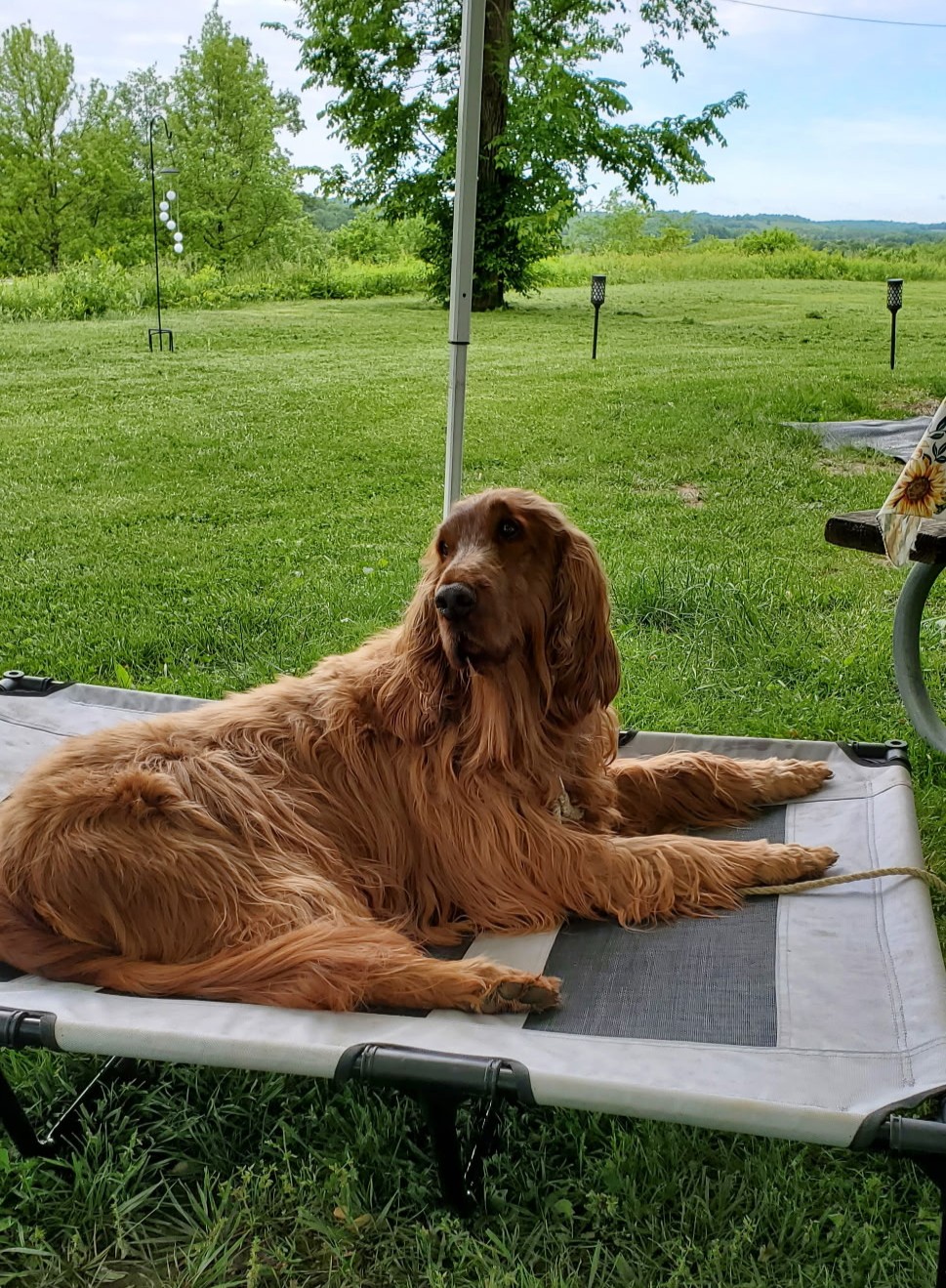 A final thought for owners regarding the topic of training and enrichment of their dog is that most times, what you get out of it will all depend on what you put into it. The more that you prioritize training and enrichment, even if it is just 5 minutes, a couple times a week, it will help to improve your pet’s skillset and your relationship overall. If you want your pet to go on camping trips or vacation with you, it starts with letting them go. Want them to behave while on a walk, well they need to start by going on them in the first place. They won’t be perfect each time, but they will never have a chance to succeed if they are never given the opportunity to try. From calm greetings to strangers or other pets, to them joining you on the family outing, remember that they are living their best life with you! Give them the chance to be the confident version of themselves out and about in the world we live in as your companion.