
 By: Christine Koporc MSc and Jennifer Kartley DVM
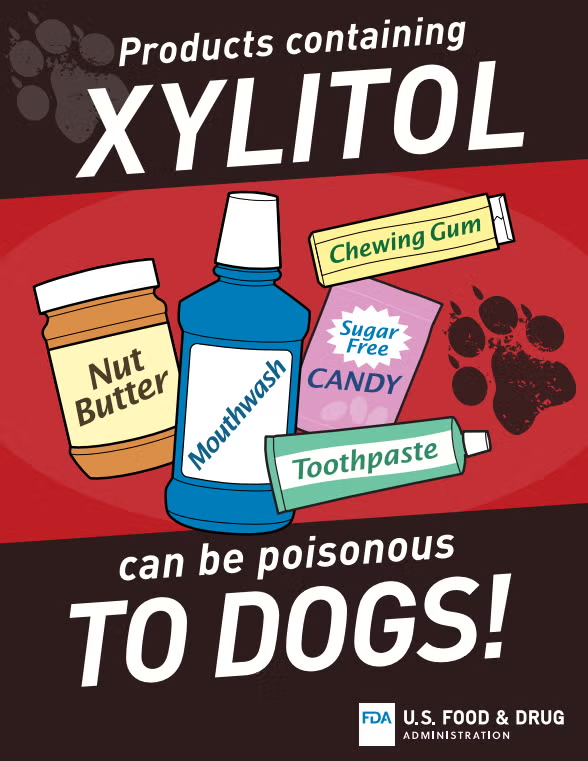
Chewing gum, mints, peanut butter, candy, cough drops, ice cream, and baked treats.....all things commonly found in our homes. These are not usually on a list of deadly items for your dog unless one ingredient swap occurs. Did you know these products, among many others, sometimes contain a sugar substitute. Xylitol, also known as birch sugar, is a widely used ingredient in sugar free products. As a popular sugar substitute, xylitol is safe for us to ingest and even has many health benefits for humans! For dogs on the other hand, recent literature shows it can drop their blood sugar within 10-60 minutes after ingestion (depending on the food item), causing hypoglycemia. Glucose levels become so low that the body can no longer function causing death.
What Is Xylitol?
Xylitol is a sugar substitute used in sugar-free products. Items range from chewing gum, baked goods, and candies, to non-food products such as sunscreens, medications, and toothpastes. Manufacturers use xylitol because it is a diabetic friendly and low-calorie substitute for humans. Surprisingly, it also has many oral health benefits stemming from its antimicrobial properties which is why it's found in human toothpastes. Dogs are the only known domestic species in which xylitol toxicosis has been reported. Cats are not as risk for hypoglycemia or liver injury from xylitol (Merck Veterinary Manual).
A Pancreatic Insulin Surge
Let's explore how a dog responds to xylitol ingestion. To begin with, the pancreas controls the blood sugar by responding to the levels of glucose in the blood stream. When you or your pet ingests and absorbs food, the pancreas is stimulated to release a hormone called insulin. Insulin signals cells to absorb the sugar from the blood stream so it can be used or stored for energy. When dogs consume a product that contains xylitol, their bodies respond differently than other species. They rapidly absorb it, so even the smallest amount will create a big problem While extremely safe for humans, xylitol triggers the pancreas in dogs to secrete 2.5-7 times the amount of insulin compared to an equivalent amount of ingested sugar according to Dr. Renee Schmid of the Pet Poison Hotline. This results in severe hypoglycemia, low blood sugar, which if left untreated becomes deadly. In cases that survive the initial hypoglycemia, acute liver injury and or failure is also reported.
Clinical Signs of Xylitol Toxicity In Dogs
 According to Cornell, clinical signs in dogs can develop within 30-60 minutes depending on the type of product and amount ingested. Dogs have been documented with signs of lethargy, disorientation, stumbling, tremors, vomiting, seizures, coma, and eventual death if left untreated.
What Should You Do If Your Dog Eats Xylitol?
Xylitol ingestion needs intensive emergency treatment. We cannot stress this enough. Time is not on your side, and the quicker you respond as an owner, the better the potential outcome your dog can have. The earlier veterinarians can counteract the effects of xylitol in your dog's body, the better chance they have at recovering. The best action you can take is heading immediately to a veterinary facility you know is open and call them once en route.
How To Protect Your Pets At Home
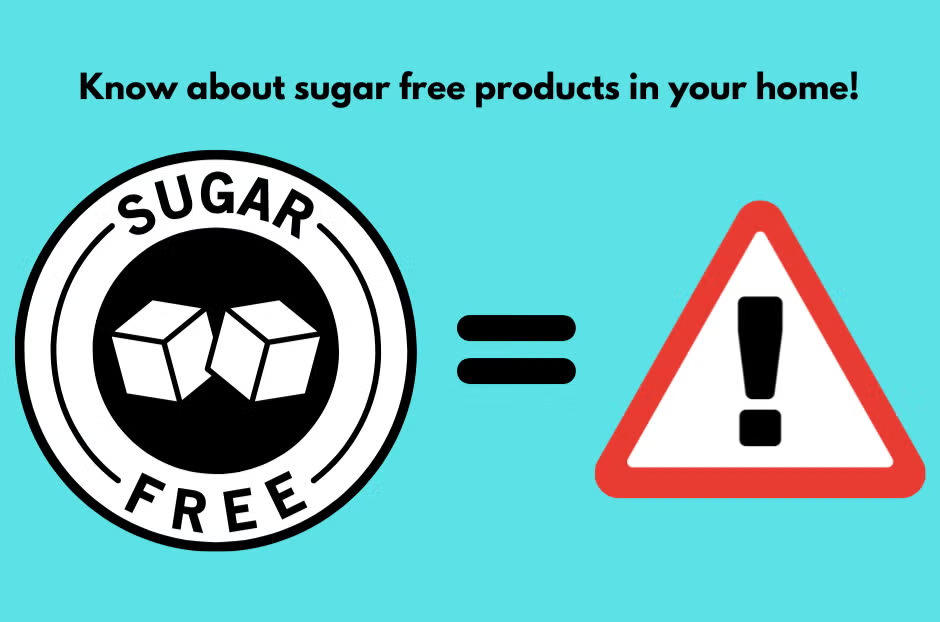
Education regarding the deadly effects of xylitol is key. Anything labelled "sugar free" needs to be analyzed for "xylitol" or "birch sugar" on the ingredient list. When possible, removal of these products from your home is best, but when necessary store xylitol containing products safely. Personal hygiene products such as toothpaste and natural deodorants can be some of the products that contain xylitol. Xylitol has also been known to sneak into homes via sugar free baked goods and candy brought in by unsuspecting visitors. Also, never use human toothpaste for your dog! Xylitol is a common ingredient as it has antimicrobial properties towards the bacteria in the mouth.
How Is Xylitol Ingestion Treated In Dogs?
Emergency treatment begins with stabilizing your dog's blood glucose levels to prevent immediate death. Your veterinarian will closely monitor your dog's blood sugar values, electrolytes, and liver enzymes through repeated blood work over the course of treatment. Depending on the dose ingested, acute liver injury and possible failure has been reported in dogs. The goal of treatment is to counter the effects of the insulin surge and potential insult to the liver. Hospitalization and treatment may take days. Treatment often includes intravenous (IV) fluids that contain dextrose, a type of sugar that is absorbed immediately (Cornell). Dogs that develop severe liver abnormalities have a more guarded prognosis. If liver damage is suspected, additional testing to monitor clotting abilities may be indicated. This is because most components that provide the ability to form blood clots are made in the liver (Schmid). Remember, time is of the essence. The quicker you respond as an owner, the better the potential outcome is for your dog.
A Small Ingredient With Big Risk
Xylitol is completely safe for human consumption with numerous health benefits listed in research. Our bodies do not have the same reaction that dogs do. Being aware of its presence in your home is the first step. If you suspect your dog has ingested a product containing xylitol, seek emergency medical care immediately. As always, if you have any questions or concerns, feel free to contact us. We are happy to help!