By: Christine Koporc MSc and Jennifer Kartley DVM
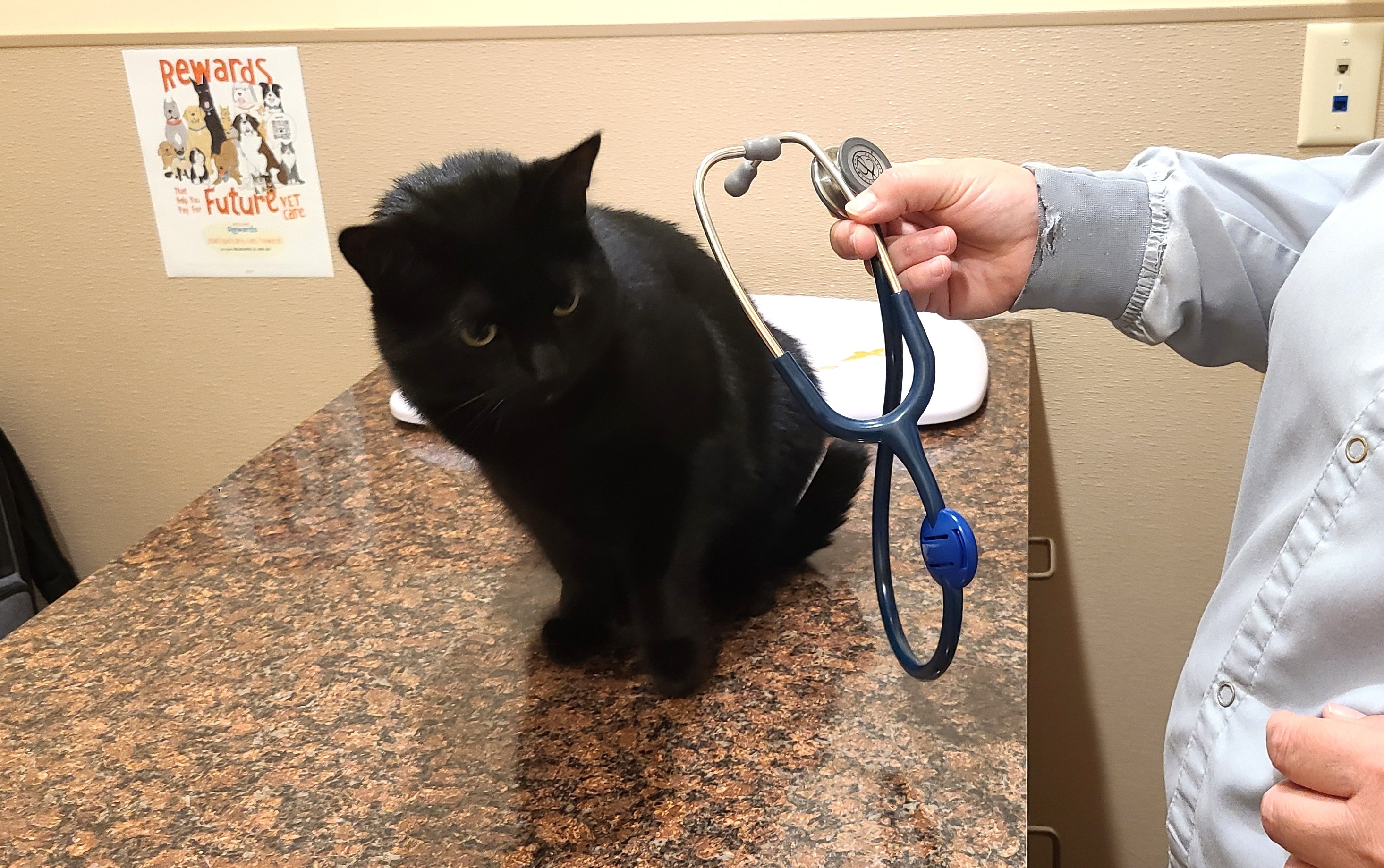
 With cats being one of the most popular pets in the world, advancements regarding their medical care and husbandry are at the forefront. These topics can only be put to use when our cat patients are cooperative and willing to participate. We all know, if a cat does not want something to happen, it likely will not happen. From a regular nail trim to safe transport to the veterinarian, they interpret those experiences different from their canine counterparts. Cats are not dogs, and for a long time they were treated as such. They are intelligent, inquisitive creatures that require time to develop trust and to be at ease with routines in their environment. For them, their autonomy is important as well as being able to express their natural or innate behaviors. Implementing cooperative care as part of their training routine provides the opportunity for them to participate in their own care instead of feeling as though they need to retaliate.
What is Cooperative Care?
Cooperative care is a type of training that helps teach animals how to take part in their care routines rather than just forcing them to comply (VIN). It isn’t a novel training strategy but its implementation to general house pets is limited. Historically established in zoo medicine, animals are trained and positively reinforced to perform certain tasks or behaviors. This allows their care team to perform basic health checks safely without the constant need for sedation. Implementing this strategy in household pets creates an avenue for your pet to become more treatable in the future by making them feel safe with established care routines. Obviously cats are not going to be signing forms to decline necessary care, but the goal is to help them understand what they can expect and in some cases be able to consent to something when they feel ready.
Behavioral Biology is Different In Cats
 It sounds like a simple concept, but cats are not dogs. In fact it has been determined in literature that dogs act more like human toddlers! In contrast, a cat’s ability to adapt with new environments and experiences is much slower compared to dogs. Research has shown that dogs have evolved to have pro-social behaviors. This means that their motivations and resulting confidence in new environments is established quicker as compared to cats. Evolutionarily, cats evolved to be more solitary animals though some literature classifies them as socially flexible (Csepregi). A common theme found across studies determined that cats take a lot longer to “warm up” to new things compared to dogs. From this, we know we simply cannot treat cats as you would a dog.
Make Care Routines Easier for You & Your Cat
 Is your cat petrified of the carrier? If getting into the carrier is a trigger for your cat, it will all go downhill from that point. One of our favorite recommendations to mitigate fear of the carrier is to start feeding your cat out of it everyday! Let them get excited to go into their carrier for a yummy meal. Make it so going inside isn’t scary for them. If your cat is extra suspicious, you may need to take the top off the carrier so it is fully open or get an entirely new carrier to start over. Imagine if once a year, you were shoved into the trunk of a red car. Anytime you saw a red car, you would do anything to not go near it. This is the interpretation of many cats regarding their carriers. Once they have mastered the first step, you can randomly introduce closing the door and then opening it. For cats that vocalize during car rides, try short car rides that don’t always bring them to the veterinarian’s office. Most importantly, don’t forget the treats when you return home.
Physical exams are important for your veterinarian to perform especially at yearly visits. Many cats view the physical exam as an offensive violation of their personal space and body. Teaching your cat that touching their ears or belly can mean yummy treats is an easy way to get them used to palpation. Touching their ears = treats, touching a paw = treats, petting down their back = treats. Establishing and creating cue words will also allow your cat to know what to expect next. We have established that treats and positive reinforcement are key, but it is also vital that you allow your pet time to establish these behaviors as routine and gain their cooperation.
Start Small With Things Your Cat Already Tolerates
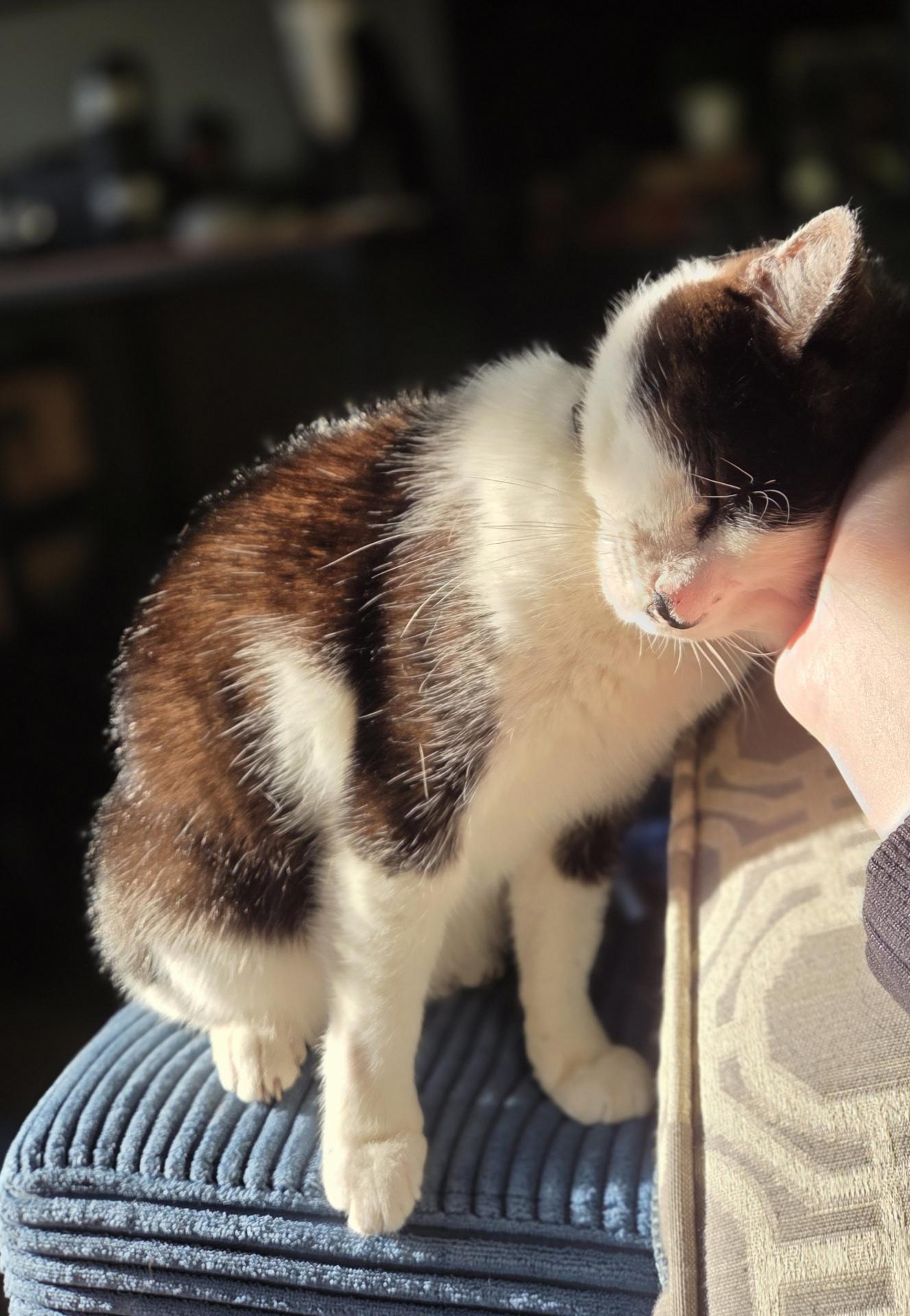 Cats can be very suspicious animals, so introducing new things too quickly can cause regression. If your cat already likes chin or head scratches, randomly introduce looking into their ears like the vet would, to examine them. When giving chin or cheek scratches, try lifting their lip to practice looking at their teeth. If your cat decides these interactions are not acceptable, step back and re-establish happy interactions before trying again. Keep trying at their pace, making sure to treat and praise them along the way.
Watch Your Cat’s Body Language
In general, cats have specific body language and cues to become familiar with. A great resource is a behavior guide from the International Society of Feline Medicine. Cat owners should be aware of how their own pet communicates with them as even cats have their own quirks. Signs of stress or overstimulation can include flicking the tail, “airplane ears” i.e. ears moving backward or sideways, dilated pupils, tensing their body, trying to get away, hissing, growling, and swatting. Although we do not want our cats to interact with us in this manner, these are normal ways cats communicate and interact with each other. You shouldn’t let these training sessions get to a point where they resort to these intense behaviors. By watching their body language, you can interpret when they need a break or pause before continuing. You should never force your cat through repeated handling sessions or punish them for reacting. They are scared and don’t understand. The goal is to work with your cat to get their cooperation. 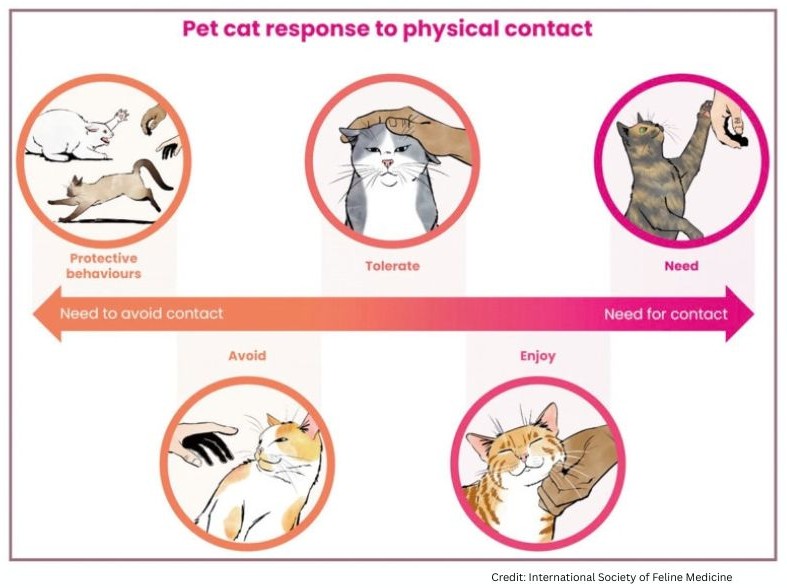
Teaching Your Cat To Give Care Consent
Jennifer Van Valkenburg, a Certified Feline Trainer and Behavior Specialist through the Animal Behavior Institute, published a case study with her own cat Cora who was diagnosed with a lifelong illness. One of the cooperative care topics she highlights is teaching your cat a way to give “care consent”. This doesn’t mean cats can outright decline the care they need but learn to understand how to communicate when they are ready to start and when they need a break. Using a clicker, you can train your cat to “place” in a certain spot where treatments may be done. A common treatment station recommended by behaviorists is a towel on the floor. Teach them to sit on the towel and get a reward. In that space they are free to leave and come back. Treat them often. When they are ready to continue they come back to the towel and you can resume treatments.
Be Creative With Training
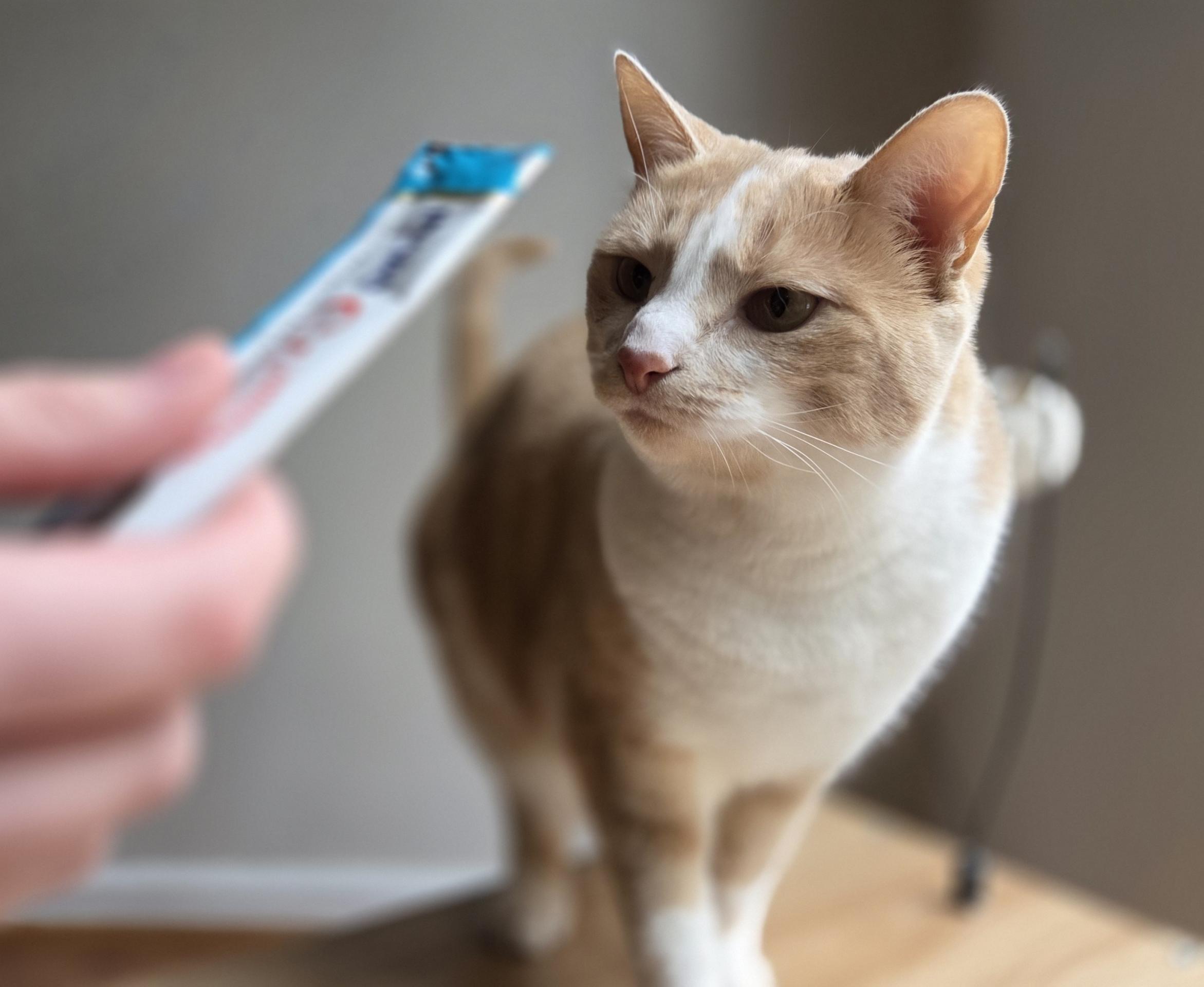 Training opportunities are endless. Teach your cat to be more receptive toward medication administration by practicing drinking water from a syringe. Cover the tip of the syringe with a favorite wet food or treat so they learn to lick it. Have to give pills or capsules as part of a treatment regime? Try using a favorite treat like those in a squeeze tube to see if in their excitement of eating it, they don’t notice you hid something in the initial bites. Remember every cat is different and setbacks are completely normal!
Small Consistent Efforts Can Go A Long Way
Cooperative care doesn’t mean getting your cat to tolerate everything overnight. Remember, this commitment is not for every cat and owner but is a great option for some! It takes our feline friends time and patience to develop an understanding to where they allow treatments or husbandry practices to occur. The goal is to create a cat who is more comfortable, more predictable, and prepared for the routine care they need. The next time you need to trim your cat’s nails, give medication, or prepare for a veterinary visit, remember to start with small steps. Positive practice over a long period of time will make a more confident and less stressed cat who can get the care they need. Don’t forget to bring traits and other items you use to train for cooperative care to your veterinary visits. As a profession, we look forward to working with motivated owners and their cats that have taken the time to establish these routines.